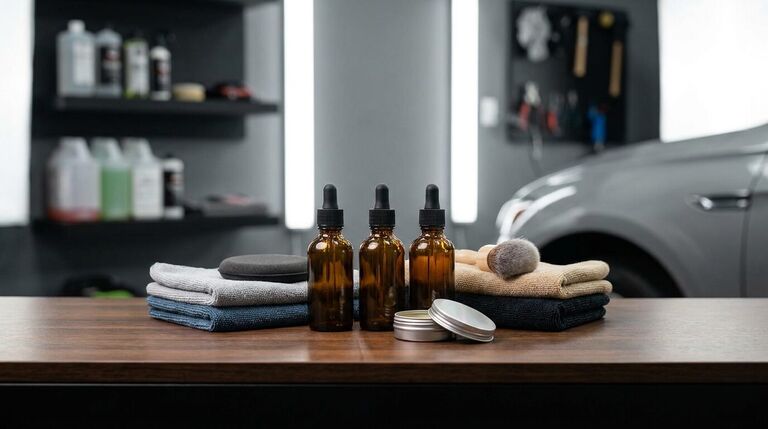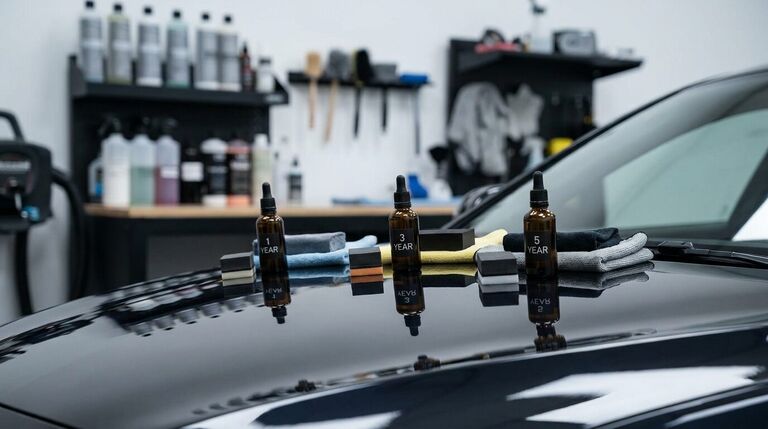

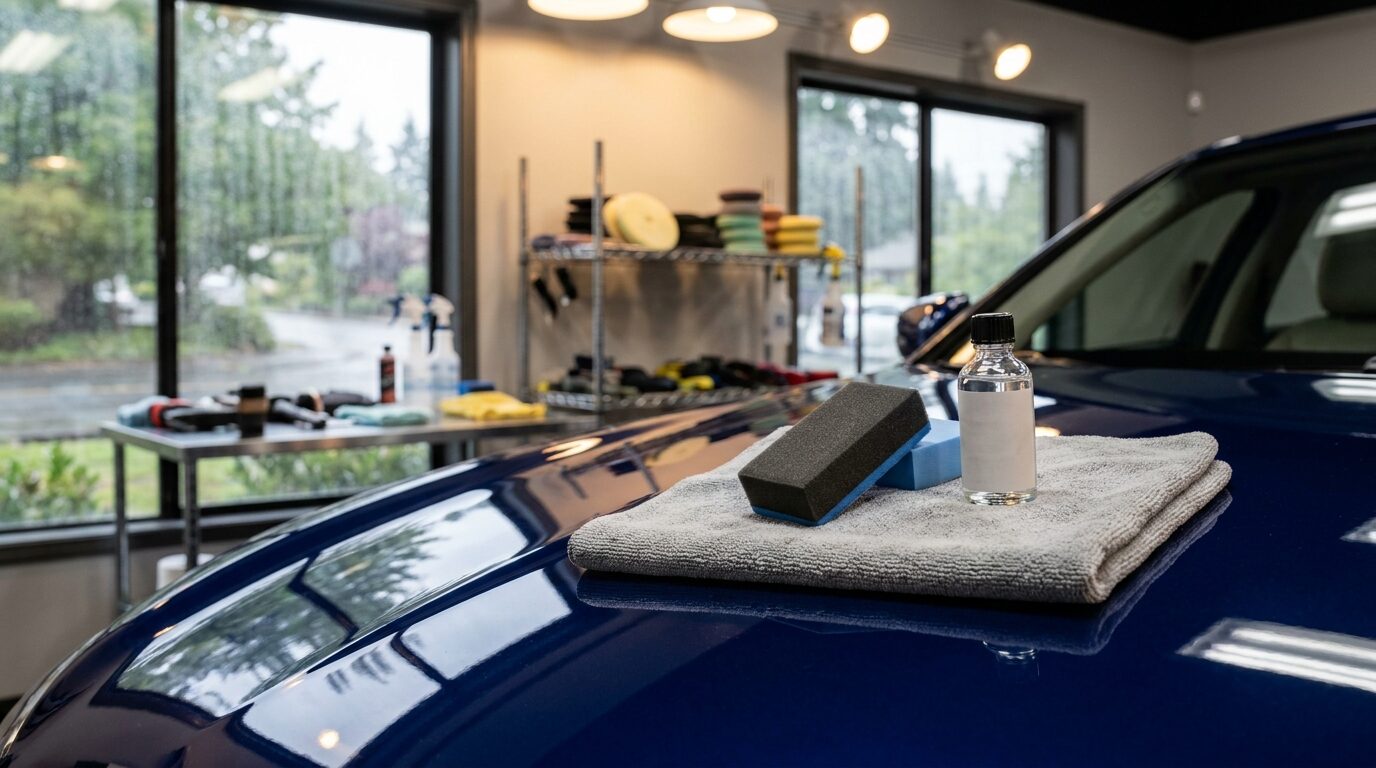
Applying a ceramic coating before a lease return rarely makes financial sense because the high upfront cost of permanent paint protection is designed for long term ownership rather than a temporary three year driving commitment. When you lease a car, you are essentially renting it for a set period, and turning it back in means you surrender any residual value added by premium chemical protection. Dealership lease return inspectors look for excessive wear and tear, deep scratches, and panel dents, but they rarely refund you extra money because your paint gloss level is superior to factory standards. If you are trying to minimize out of pocket expenses at our Portland shop, spending hundreds of dollars on a multi year ceramic package right before handing the keys over is usually not the smartest path forward.
Lease agreements typically outline strict guidelines regarding acceptable physical condition, allowing for minor surface micro scratches from normal washing while penalizing deeper gouges, paint chips, and clear coat damage. A ceramic coating provides incredible chemical resistance, UV stability, and hydrophobic slickness that makes washing easier, but it does not act as physical armor against gravel kicked up on I-5 or shopping cart dings in grocery store parking lots. Because Feynlab coatings require professional surface preparation, including paint correction to remove existing defects, you end up paying for labor that benefits the next owner or the dealership remarketing team rather than padding your own bank account.
Understanding how lease end inspectors evaluate vehicles can help you decide where to direct your automotive budget instead of buying unnecessary protection. According to guidelines provided by FTC consumer guidance on vehicle leasing, consumers should carefully review their contract terms regarding wear and tear fees before making any cosmetic investments. Instead of investing in high end ceramic coatings for a car you will soon return, a basic professional detail and minor touch ups to clear rock chips will often satisfy lease return inspectors for a fraction of the cost, keeping your hard earned money in your pocket.
Understanding Lease Return Inspection Standards
Lease return inspectors follow rigid guidelines established by the financing institution, looking primarily for structural damage, mechanical issues, and cosmetic flaws that exceed normal wear and tear. They typically use a small template or credit card sizing tool to measure scratches and dents, meaning minor surface blemishes under a certain length are completely forgiven under standard lease terms. A high gloss ceramic coating will make your paint look mirror finish clean, but it will not shrink the size of a door ding or magically erase a bumper scrape that falls outside the acceptable threshold defined in your contract.
Many drivers mistakenly believe that a shiny car tricks inspectors into overlooking physical damage, but inspection agents are trained to evaluate tactile and visual imperfections systematically under standardized lighting conditions. They run their hands along bumper corners, check wheel edges for severe curb rash, and inspect windshield glass for cracks regardless of whether the paint has a Feynlab V3 coating or just a basic monthly wash. Paying for professional paint correction and coating application right before lease termination means you are paying to correct defects that the leasing company might not even penalize you for during the final inspection walkaround.
The financial reality of leasing means your primary goal should be minimizing end of term penalty charges while spending as little additional capital as possible on the vehicle. If your lease is ending in two months, investing in a multi year coating package provides zero return on investment because you will not get to enjoy the low maintenance washing benefits for very long. A more pragmatic approach involves inspecting the vehicle yourself thirty days prior to turn in, noting any obvious damage that triggers fees, and addressing only those specific problem areas rather than blanketing the car in premium protection.
When you bring your vehicle to our shop at 3433 SW Multnomah Blvd in Portland, we frequently advise customers to evaluate their remaining lease term honestly before committing to extensive chemical services. If you have two or three years left on your agreement, a professional coating makes complete sense because you get to enjoy effortless maintenance during your actual time behind the wheel. However, if your lease wraps up in the next few months, saving that money for your next vehicle purchase or putting it toward potential tire replacement fees is a far more strategic financial decision.
The Real Cost Breakdown of Lease Protection
Professional ceramic coatings involve significant labor hours because proper installation requires thorough washing, clay bar decontamination, multi stage paint correction to remove swirls, and precise chemical curing. Across the industry, a professional ceramic coating package typically runs $800 to $2,500 depending on the vehicle, and Custom Details quotes these per vehicle at the shop. Spending this kind of capital on a vehicle you are contractually obligated to surrender in a matter of months is difficult to justify from a pure budgeting perspective, especially since leasing companies do not adjust your residual purchase price downward just because the clear coat is hydrophobic.
To put these numbers in perspective, consider what leasing companies typically charge for standard cosmetic lease return penalties compared to the cost of preventative coatings. Minor bumper scuffs or small door dings are usually charged as a flat fee per panel, and that fee can be less than the cost of a full paint correction and a top tier coating. If you want your car looking sharp for the final inspection without breaking the bank, opting for a standard Exterior Detail + Polish at $499 gives you a tremendous visual refresh and removes minor oxidation without the long term commitment of a permanent coating.
Another financial factor to consider is the condition of your vehicle interior, which inspectors scrutinize just as heavily as the exterior paint surfaces. Stained upholstery, persistent pet odors, or deep scuffs on door panels can result in hefty reconditioning fees charged directly to your final invoice by the leasing company. Directing your funds toward an Interior Detail at $259 or a Basic Interior at $139 ensures the cabin meets lease return standards, protecting you from surprise dealership cleaning fees that are notoriously expensive.
Smart car owners look at lease returns through the lens of risk management rather than perfectionism, focusing only on items that trigger actual financial penalties on the final inspection sheet. Dealerships routinely send returned lease cars straight to auction or wholesale lots where minor paint gloss differences play almost zero role in the final liquidation price. Recognizing this business reality helps you avoid pouring unnecessary money into cosmetic enhancements that benefit the leasing portfolio rather than your own personal finances.
When Ceramic Coating Actually Makes Sense on a Lease
While coating a car right before turning it in is usually a poor financial choice, applying a ceramic coating early in a long term lease can make a tremendous amount of sense. If you sign a four year lease on a brand new vehicle, protecting the factory clear coat from day one ensures the car stays exceptionally clean and resists environmental fallout throughout the majority of your driving term. You get to experience the effortless maintenance, UV protection, and chemical resistance during the years you actually own and drive the vehicle, making the upfront investment feel completely worthwhile.
Regional environmental conditions in the Pacific Northwest also influence how quickly automotive paint degrades when left unprotected against the elements. Willamette Valley rain, winter road treatments, and heavy tree sap combined with intense summer sun can etch unprotected clear coats within a matter of months if contaminants are left to bake onto the surface. Applying a Feynlab ceramic coating tier during the first year of a multi year lease prevents environmental damage from permanently ruining the finish, ensuring you do not get flagged for abnormal paint degradation when inspection day finally arrives.
Some lessees enter agreements with the explicit intention of exercising their contractual buyout option at the end of the term to purchase the vehicle outright. If you plan on keeping the car long term after the lease matures, treating the paint with a durable coating transforms from an expense for someone else into a valuable investment in your own personal property. Protecting your investment early guarantees that when you finally secure the title, the paint looks just as clean as the day you first drove it off the dealership lot.
For drivers who take pride in maintaining an immaculate vehicle appearance regardless of ownership status, the daily psychological benefit of driving a perpetually glossy, easy to clean car has its own intrinsic value. Even if you do not recoup every dollar at lease turn in, enjoying a spotless vehicle that washes off in minutes during rainy Portland winters might be worth the investment for your personal satisfaction. Our team is always happy to discuss your specific lease timeline at our shop to help you determine whether early protection aligns with your driving habits.
Comparing Ceramic Coatings to Alternative Lease Prep Options
If your main objective is surviving the lease return inspection without paying exorbitant damage fees, several alternative services provide better cost efficiency than a full ceramic coating package. Standard paint sealants and carnauba waxes offer temporary gloss and minor slickness for a fraction of the cost, though they wash away within a few months and require frequent reapplication. These traditional products work well if you simply want a quick shine for the final inspection appointment without spending hundreds of dollars on professional multi year chemical bonding agents.
Addressing physical paint damage requires a different approach entirely because chemical coatings cannot fill deep scratches, repair stone chips, or rebuild missing clear coat layers. Utilizing touch up paint for rock chips on the hood and front bumper prevents rust and satisfies basic visual inspection criteria without requiring expensive panel repainting. Combining localized touch up work with professional polishing gives your vehicle a clean, well maintained appearance that satisfies inspectors without overspending on unnecessary treatments.
Interior cleanliness often dictates whether a leasing company slaps you with unexpected reconditioning fees, making cabin prep a much higher priority than exterior paint perfection. A thorough deep cleaning of the carpets, leather conditioning, and glass polishing eliminates signs of daily use, ensuring the interior passes inspection with flying colors. Pairing a standard Hand Wash at $89 with an interior detailing service covers all your bases efficiently and affordably.
Evaluating these alternatives highlights why a blanket ceramic coating is rarely the default solution for lease returns across the automotive industry. By focusing your budget on high risk areas like interior cleanliness and minor chip repair, you protect your wallet while successfully meeting every requirement outlined in your lease contract. Our staff can evaluate your vehicle in person at our shop to recommend the exact services you need, ensuring you never pay for unnecessary extras.
How Portland Driving Conditions Impact Lease Returns
Operating a leased vehicle in the Portland metro area exposes your paint to unique environmental hazards that leasing companies inspect closely during your final return appointment. Debris kicked up by heavy traffic on I-5, I-205, and US-26 frequently causes rock chips and pitting on front bumper fascias and hood edges. While standard lease agreements account for minor road wear, excessive stone chipping across multiple panels can sometimes be flagged as abnormal damage depending on the strictness of the specific financial institution.
Willamette Valley moisture and airborne industrial pollutants also test the durability of your vehicle exterior, leaving behind mineral deposits and stubborn water spots if washing routines lapse during winter months. Left unattended, these environmental contaminants etch directly into the factory clear coat, creating permanent dull patches that inspectors will readily identify during your turn in evaluation. Protecting the vehicle against these local hazards during your lease term is essential, but timing that protection properly ensures you do not waste money right before handing the keys back.
Winter road grime and chemical de icers used during freezing weather further compound exterior wear, clinging to lower rocker panels and wheel wells if not washed away promptly. Stopping by our shop for routine maintenance washes or minor detailing keeps corrosive buildup from damaging sensitive clear coat edges before your lease expiration date arrives. Maintaining a clean vehicle throughout your lease period preserves your paint naturally, minimizing the likelihood of sudden nasty surprises when you finally drive to the dealership for your final inspection.
Local driving realities make it clear that proactive maintenance beats reactive spending every single time when managing a leased vehicle budget. By understanding how Portland weather and highway debris affect your specific make and model, you can make informed choices about upkeep that protect both your car and your finances. Drop by our facility to speak with our technicians about keeping your lease in top shape throughout its entire lifecycle.
Preparing Your Leased Car for a Flawless Inspection
Preparing a leased vehicle for its final inspection requires a methodical approach that addresses both obvious visual flaws and hidden trouble spots inspectors check routinely. Start by thoroughly washing the exterior, removing all road tar, bug splatters, and brake dust from the wheels to reveal the true condition of the paint and trim. Cleaning the vehicle carefully allows you to spot any scratches or dents that exceed standard wear guidelines so you can address them proactively before the official inspector evaluates the car.
Next, focus heavily on the interior cabin spaces because inspectors look closely at seat bolsters, steering wheel leather, dashboard buttons, and floor carpets for signs of excessive abuse. Vacuuming pet hair, shampooing stubborn stains, and wiping down all hard surfaces eliminates unpleasant odors and visual clutter that easily trigger costly dealership detailing penalties. A clean interior creates an immediate positive impression, signaling to the inspector that the vehicle was driven responsibly and cared for respectfully throughout its lease term.
Check all glass surfaces, including the windshield, side windows, and mirrors, for chips, cracks, or deep pitting that might require professional repair or full glass replacement under your contract terms. Leasing companies are notoriously strict about windshield damage because safety regulations require intact glass, making small chip repairs a worthwhile investment before your lease return date approaches. Addressing these minor mechanical and cosmetic details independently puts you in total control of your expenses rather than leaving you at the mercy of dealership repair bills.
Finally, gather all original lease documents, spare key fobs, owner manuals, and charging cables if you drive an electric vehicle, ensuring everything that came with the car is present at handover. Missing accessories often result in steep replacement fees charged directly to your account regardless of how clean the paint happens to be. Bringing a complete, clean, and well maintained vehicle to your final inspection guarantees a smooth transition into your next automotive adventure.
The question to bring to the shop before a lease ends is what the inspector will actually charge for, because that list is shorter than most people assume. Coatings do not prevent the dings and curb rash that show up on the turn-in sheet; a thorough wash, an interior detail and a few chip touch-ups address most of what does. A straight answer from Custom Details might be that the car needs a hand wash and an interior detail and nothing else, and that is the answer we give when it is true.
Frequently Asked Questions
Will a ceramic coating help me avoid lease return fees?
No, ceramic coatings provide chemical and UV protection but do not prevent physical dents, deep scratches, or rock chips that trigger lease return penalties.
Is it worth ceramic coating a leased car?
It is only worth it if you installed the coating early in a long term lease to enjoy the maintenance benefits or plan on buying the car at the end.
What should I do instead of coating a car before returning it?
Focus on a thorough interior detail, basic exterior hand wash, minor touch up paint for chips, and addressing any dents that exceed normal wear guidelines.
Does the dealership care if my lease return has a ceramic coating?
Dealership inspectors evaluate physical condition and normal wear standards, meaning they do not pay extra or waive fees for enhanced paint gloss.
Related service: Learn more about ceramic coating in Portland and car detailing in Portland at Custom Details, installed in-house at 3433 SW Multnomah Blvd, or request a quote and call (971) 400-1406.