
Engine bay detailing involves carefully washing, degreasing, and dressing under-hood components to remove accumulated road salt, oil, and debris while safeguarding sensitive electrical systems. Many vehicle owners overlook the engine compartment until they need mechanical service, but a clean engine bay makes maintenance easier, helps spot leaks early, and prevents the buildup of corrosive grime. Bringing your vehicle to our shop at 3433 SW Multnomah Blvd in Portland, Oregon means your engine receives careful attention tailored to handle local conditions like wet Willamette Valley winters and gritty road salt.
What Gets Cleaned Under the Hood
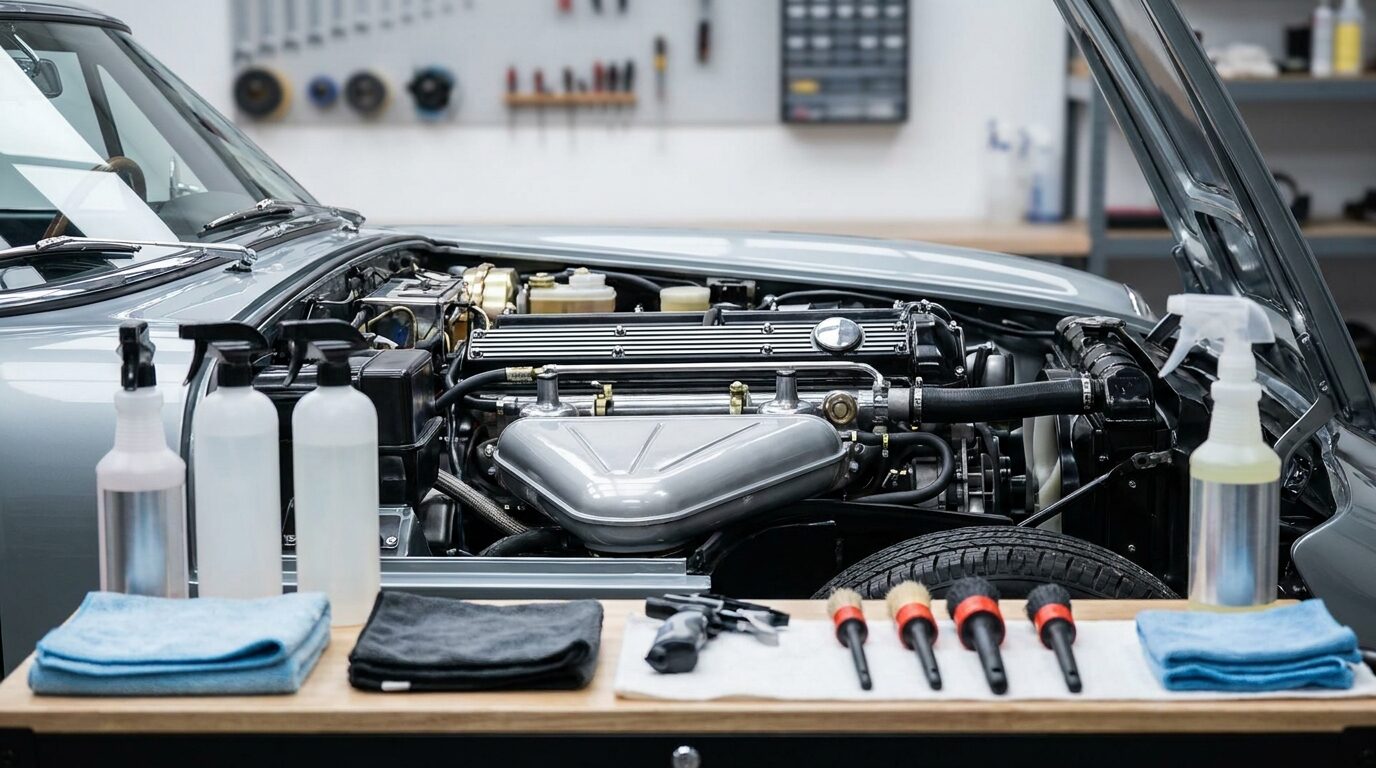
The cleaning process starts with a thorough inspection of the engine compartment to identify sensitive components, exposed wiring harness connectors, and aftermarket additions that require manual masking. Technicians use specialized low-pressure rinse equipment, biodegradable degreasers, and soft-bristled brushes to break down decades of baked-on oil and road dust without forcing water into vulnerable areas. Every visible surface, from the underside of the hood to the plastic engine covers and fluid reservoir caps, receives targeted attention to lift stubborn grease.
During the washing phase, hoses, rubber seals, and metal brackets are gently agitated to scrub away particulate matter brought in from daily driving. Drivers on local routes like I-5, I-205, and US-26 often accumulate fine silt and winter grit that settles deep into crevices around the intake manifold and radiator support. Professional washing clears these pockets out completely, preventing trapped moisture from accelerating corrosion on bare metal fasteners and hose clamps over time.
After the initial degreasing rinse, compressed air and microfiber towels are used to dry every nook and cranny before any protectants are applied. Leaving standing water in electrical connectors can cause temporary sensor faults or corrosion, so thorough drying is an essential part of the procedure. At Custom Details, our standalone engine bay detail is priced at $50, making it an affordable addition to our exterior and interior detailing services for any routine maintenance schedule.
Protecting Sensitive Electronics and Wiring
Modern vehicles feature complex computer modules, fuse boxes, and electronic sensors tucked tightly into the engine bay, making safety a top priority during any detailing service. Technicians carefully shield alternators, open air intakes, and exposed ECU connectors using moisture-resistant barriers before introducing any water or liquid cleaners to the bay. According to the NHTSA, keeping vehicle electrical systems dry and free of corrosive buildup ensures that critical safety sensors and operational components function without interruption.
Water intrusion is the single biggest risk in DIY engine cleaning, which is why professional shops rely on controlled steam and vapor rather than high-pressure power washers that can compromise brittle rubber wire insulation. Modern wiring harnesses use weather-pack seals, but older vehicles often have cracked loom coverings where moisture can easily penetrate and cause persistent check engine lights. Identifying these vulnerable spots prior to cleaning prevents costly electrical repairs and the worry that comes with them.
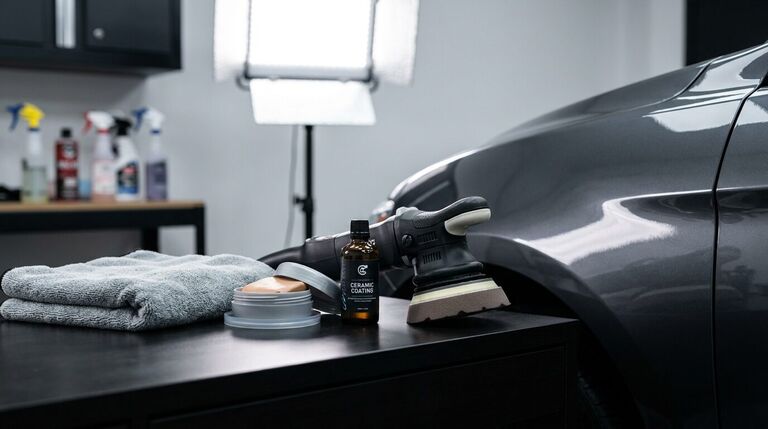
Once the engine is fully cleaned and dried, specialized protectants are applied to preserve the various materials under the hood. Rubber hoses receive conditioning agents that prevent drying and cracking, while plastic components are treated with non-greasy dressings that restore a deep factory matte finish without attracting dust. For long-term preservation, pairing an engine detail with a durable Feynlab ceramic coating on painted exterior surfaces ensures your entire vehicle stays protected against the elements.
Managing Portland Weather and Road Grime
Driving through the Pacific Northwest exposes your vehicle to persistent rain, standing puddles, and aggressive winter de-icing chemicals that inevitably find their way past the front grille and onto the engine block. These liquid mixtures coat warm engine components, evaporating quickly and leaving behind a crusty layer of mineral deposits and road salt that accelerates oxidation on aluminum and steel parts. Regular engine bay detailing stops this chemical degradation before it can pit metal surfaces or degrade rubber hoses.
The regional climate also encourages organic debris like wet leaves, pine needles, and pollen to accumulate in the cowl area and around the base of the windshield wipers. When left unchecked, these decomposing materials trap moisture against the firewall and drain channels, eventually leading to unpleasant odors inside the cabin or blocked drainage holes that cause water to back up. Cleaning the engine bay clears out these debris traps and keeps cabin air intake zones fresh.
Maintaining a clean engine compartment is especially beneficial when it comes time to sell or trade in a vehicle, as prospective buyers and mechanics instantly associate a clean engine bay with a well-cared-for car. A clean block makes fluid leaks immediately visible, allowing you to catch minor gasket failures or hose weeping before they turn into major roadside breakdowns. It transforms a messy, intimidating mechanical space into a clean, orderly showcase.
Safe Cleaning Agents vs Harsh Chemicals
Choosing the right chemical formulation is critical because aggressive acid-based wheel cleaners or heavy industrial degreasers can permanently stain bare aluminum intake manifolds and eat away at delicate anodized finishes. Professional detailers use pH-balanced citrus or water-based degreasers that lift grease chemically rather than relying on harsh caustic formulas that attack metal alloys. This approach guarantees that engine components remain safe from chemical etching during the wash cycle.
Another major consideration is overspray control, as strong solvent-based dressings can leave a slick, slippery film on serpentine belts and brake boosters, creating dangerous operational hazards. Technicians apply dressings manually using applicator pads or spray bottles with targeted nozzles to ensure protectants land exclusively on hoses, plastics, and metal blocks where they belong. Keeping belts and pulleys completely dry and chemical-free prevents annoying squealing sounds and belt slippage upon startup.
The industry standards for under-hood detailing emphasize preservation over mere cosmetic shine, ensuring that every plastic clip, electrical connector, and rubber line retains its structural integrity. Organizations like SEMA provide ongoing education regarding proper automotive maintenance techniques and safe chemical usage for specialty shops. Using the correct tools and formulations guarantees that your engine bay looks clean without risking the mechanical reliability of your vehicle.
The Step-by-Step Under-Hood Process
The professional detailing procedure follows a strict sequence to guarantee safety and thoroughness from start to finish. It begins with a warm, not hot, engine, allowing cleaners to work effectively without evaporating instantly upon contact with the metal block. Technicians disconnect sensitive aftermarket electronics if necessary and double-check that all intake filters and alternator housings are adequately covered against moisture.
Next comes the application of the primary degreaser, which is allowed to dwell for a few minutes to break the molecular bond of oil and grime without requiring aggressive scrubbing. Soft brushes are then deployed to agitate grease in tight spaces around the power steering pump, oil filler cap, and radiator hoses. A low-pressure rinse washes the suspended contaminants away safely, directing runoff away from open intake ports and electrical boxes.
The final stage involves thorough drying with compressed air to clear out deep bolt holes and connector housings, followed by the application of satin-finish dressings to all hoses and plastics. The engine is then started and allowed to run for a few minutes, bringing it up to operating temperature to evaporate any remaining moisture and verify that all systems operate normally. This careful process delivers a clean, even finish that lasts for months.
When to Hold Off, and What to Tell Us at Drop-Off
An engine bay detail is safe on most cars, but there are a few situations where the right answer is to wait or to change the plan, and telling the shop about them at drop-off saves everyone trouble.
- An active leak. Oil, coolant or power steering fluid on the block should be diagnosed before it is washed off. A clean bay hides the trail a mechanic needs, so we will point a leak out and suggest the repair first, then the detail after.
- Aftermarket intakes and exposed filters. A cone filter or an open airbox draws water straight into the engine if it gets wet. Tell us it is there; it gets bagged and the area around it is cleaned by hand.
- Hybrids and EVs. The orange high voltage cabling and the inverter are sealed, but we still keep water away from them and use steam and towels rather than a rinse in those areas. Mention the drivetrain when you book so the right technician takes the car.
- Older wiring. Cracked loom, brittle vacuum lines and corroded ground straps on cars from the 1990s and earlier do not tolerate moisture. On those cars we do a dry detail: compressed air, brushes and hand-applied dressing, no rinse.
- A recent repair. Fresh gasket sealant and new electrical connectors need time to cure and seat. Give a repair a week before the bay gets cleaned.
- A warning light that is already on. A check engine light before the detail is a fault we did not cause, but it is also one we cannot tell apart from a moisture fault afterward. Get it read first.
None of these rule the service out; they change how it is done. The more we know before the hood opens, the cleaner and safer the result.
When a car comes into Custom Details for an engine bay detail, the technician's first question at drop-off is how the car is used, because that decides the dressing: a satin, dry-to-the-touch finish on a daily driver that will see rain the same afternoon, and nothing slick anywhere near the belts on a car that is about to be worked on. The second question is what you want to see when the hood opens next, a clean block for a sale or a bay where a slow leak will show itself. Expect those two questions before the hood goes up; they shape the job more than the degreaser does.
Frequently Asked Questions
Can engine detailing damage my car?
Professional engine detailing is completely safe when performed correctly with proper electrical shielding and low-pressure rinse techniques.
How often should an engine bay be detailed?
Most vehicles benefit from an engine bay cleaning once or twice a year to prevent stubborn grease and road salt accumulation.
Will water ruin my engine computer?
Modern engine computers and wiring harnesses are weather-sealed, but professional detailers still shield vulnerable electronics to prevent any risk of short circuits.
Related service: Learn more about car detailing in Portland at Custom Details, installed in-house at 3433 SW Multnomah Blvd, or request a quote and call (971) 400-1406.