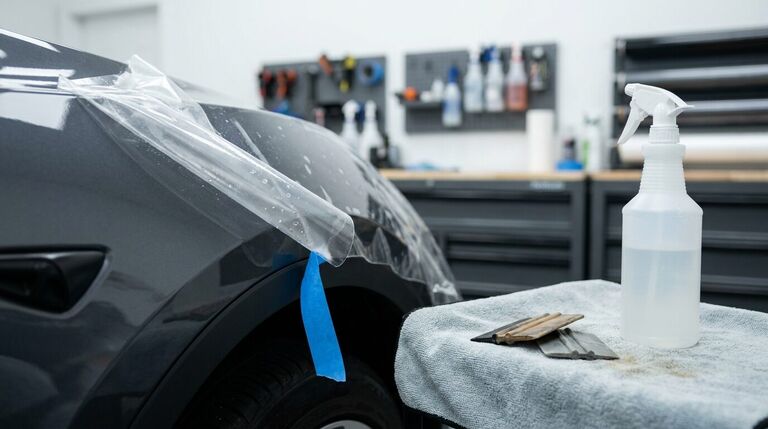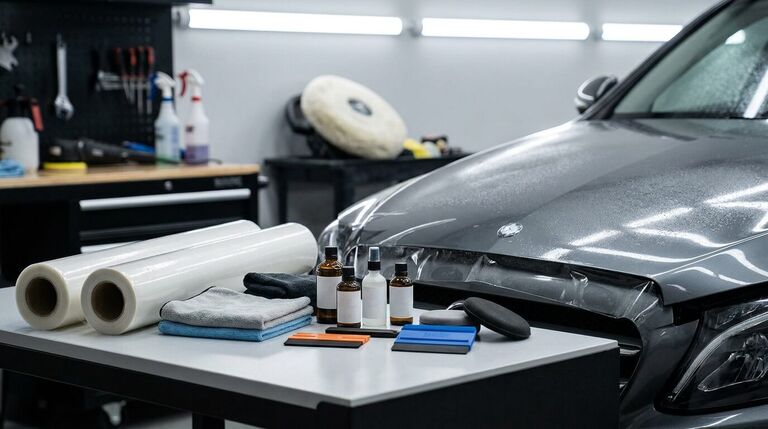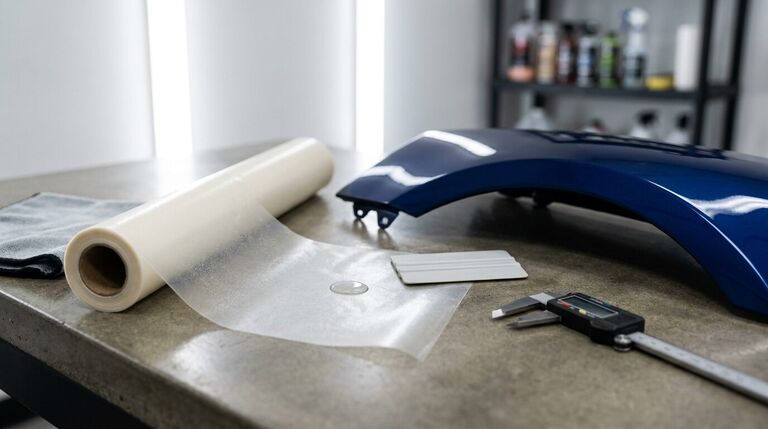

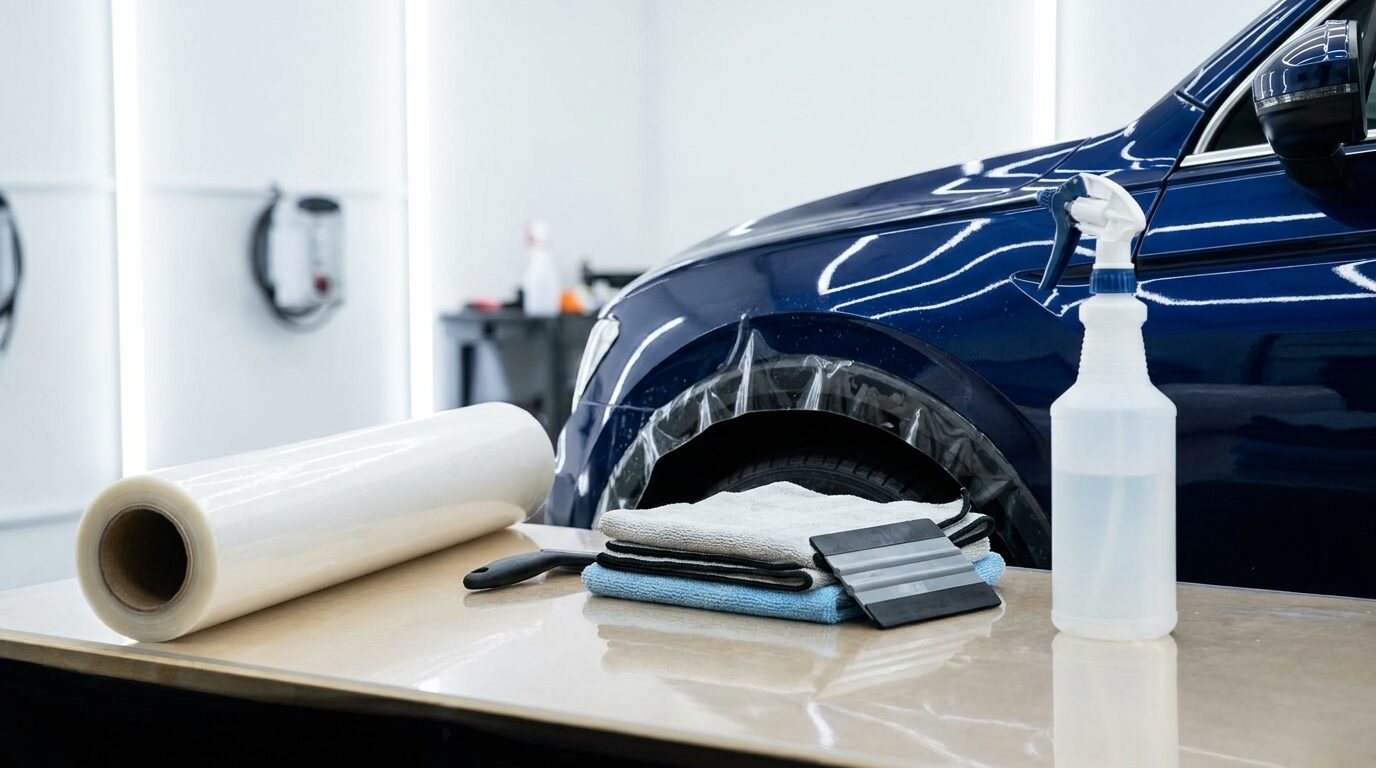
Asking the right questions before you book paint protection film ensures your investment protects your vehicle against rock chips, road salt, and debris without peeling or lifting prematurely. When you bring your vehicle to our shop at 3433 SW Multnomah Blvd in Portland, OR 97219, we encourage vehicle owners to interview us thoroughly because transparency builds trust. Sorting through automotive protection can feel overwhelming with so many film brands and installation techniques on the market, but a reputable installer will always welcome your inquiries with straightforward, detailed answers.
Portland drivers face unique daily challenges on the road, from loose gravel kicked up along I-5, I-205, and US-26 to constant Willamette Valley rain and winter road grit. Because your car exterior takes a constant beating, understanding how paint protection film functions as a physical barrier becomes crucial. Across the industry, a gloss full front PPF package typically runs $1,500 to $2,500 depending on the vehicle, and Custom Details quotes these per vehicle at the shop. That is enough money to deserve a few direct questions before you hand over the keys.
To help you separate professional shops from substandard operators, we have compiled the most critical questions you should ask any paint protection film installer before scheduling your appointment. These questions cover film specifications, installation methods, warranty protection, and shop environment standards.
What Brand of Film Do You Use and What Are Its Specifications?
The quality of your paint protection film dictates how long it will last and how well it protects your clear coat. You should always ask an installer to name the exact brand of film they stock and explain its material composition. Many budget shops use low-grade PVC or thin urethane films that yellow, crack, or peel within a couple of years under harsh ultraviolet exposure.
At Custom Details, we use Global Films paint protection film, which is engineered from high-grade self-healing TPU at roughly 6 mil thickness. This specific thickness provides an optimal balance between impact resistance and optical clarity, allowing the film to absorb stone impacts and vanish completely into your factory paint. The self-healing topcoat uses heat from the sun or warm water to erase minor swirl marks and light surface scratches automatically.
When speaking with an installer, ask if their film features a self-healing topcoat and whether it resists staining from bird droppings, tree sap, and bug splatter. According to SEMA, utilizing standardized, high-performance materials is vital for ensuring long-term automotive styling and protection durability. Knowing your film specifications protects you from paying premium prices for inferior products that fail prematurely.
Do You Use Bulk Installation or Custom Computer Cut Patterns?
Installation methodology is one of the most debated topics in the paint protection film industry, and every installer has a preferred technique. Bulk installation involves laying a large sheet of film over the body panel and trimming it directly on the vehicle using a utility knife. While skilled installers can tuck edges neatly using this method, it carries an inherent risk of razor blade cuts into your factory clear coat if the technician slips.
Computer cut patterns rely on specialized plotting software and digital templates mapped to your specific vehicle make, model, and year. The film is precut on a plotter before it ever touches your car, eliminating the need for sharp blades near your paint. At Custom Details, we favor precision computer cut patterns because they guarantee consistent edge alignment and eliminate the risk of accidental knife damage on delicate painted surfaces.
When interviewing an installer, ask them to demonstrate their cutting process and explain why they chose that method for your vehicle type. If they use bulk installation, ask how they protect your clear coat from blade marks. A professional will have a clear, confident explanation of their safety protocols and edge-wrapping techniques to ensure a seamless final look.
How Is the Shop Environment Controlled for Dust and Contamination?
Environmental control is the hidden factor that separates an amateur garage installation from a professional studio finish. Paint protection film relies on a wet application slip solution to position the film correctly before squeegeeing it down. If dust, hair, or airborne debris floats into the shop during this process, those particles become trapped permanently beneath the adhesive layer, creating visible bumps and specks under the film.
Professional protection shops utilize dedicated, enclosed installation bays equipped with proper climate control and air filtration to keep airborne dust to an absolute minimum. Before you book, ask if you can tour the installation area or view photos of their workspace. A clean, well-lit, and climate-controlled environment ensures that your film adheres smoothly without unsightly contamination ruining the optical finish.
Maintaining proper ambient temperature is also vital for the adhesive curing process. Portland weather swings from wet and cold to warm and dry, meaning indoor climate control helps the film tack down correctly during the critical initial bonding phase. Always verify that your car will be prepped and wrapped in a dedicated indoor facility rather than a dusty open warehouse.
What Does Your Warranty Cover and Who Honors It?
A warranty is only as good as the company standing behind it, and paint protection film warranties vary drastically across the market. Some manufacturers offer broad coverage against cracking, peeling, yellowing, and delamination, while others offer limited protection with numerous loopholes. You need to know whether the warranty comes directly from the film manufacturer, the installation shop, or both.
Our PPF installations at Custom Details include a manufacturer-backed 10-year warranty covering defects such as yellowing, cracking, blistering, and delamination. This long-term commitment means your investment is protected against premature material failure. We handle any warranty concerns directly in-shop at our Portland location.
When discussing warranties, always ask if the coverage includes labor or just replacement material. Find out if the warranty is transferable to a new owner if you sell the vehicle, as this can increase your car resale value. A strong warranty demonstrates that the shop trusts the durability of the products they install on customer vehicles.
How Do You Prep the Paint Before Applying the Film?
Surface preparation is the foundation of a successful paint protection film installation. If a shop attempts to apply film over unwashed, uncorrected, or contaminated paint, the adhesive will fail to bond properly, leading to lifting edges and bubbling within weeks. Proper prep work requires a multi-step decontamination process to strip away old waxes, road oils, iron fallout, and embedded debris.
A professional prep routine begins with a thorough hand wash, followed by a chemical iron fallout remover and a clay bar treatment to clean the clear coat down to the bare pores. If your car has minor paint swirls, scratches, or rock chip touch-ups, those imperfections must be corrected before the film goes on because PPF acts like a magnifying glass, making any trapped flaws even more noticeable.
Ask your installer what specific cleaning and paint correction steps are included in their standard booking price. Knowing whether paint correction is billed separately or included in the prep stage helps you budget accurately. A careful prep process ensures maximum adhesive bond strength and a flawless, glass-like appearance.
Can I Pair PPF with Ceramic Coating for Added Protection?
Combining paint protection film with a ceramic coating is one of the best ways to maximize your vehicle exterior defense. While PPF excels at absorbing physical impacts and preventing stone chips, ceramic coatings provide chemical resistance, extreme hydrophobic properties, and UV protection that make washing your car significantly easier.
At Custom Details, we frequently pair our PPF installations with Feynlab ceramic coatings, offering options like the 1-year entry coating, V3 at 3 years, Plus at 5 years, and a specialized Matte coating at roughly 3 years for matte paint finishes. Applying a compatible ceramic coating over your PPF adds a deep gloss and prevents environmental contaminants like bird droppings and road tar from bonding to the film surface.
Ask your installer if their film is ceramic-coating friendly and whether they offer packaged combinations for complete protection. Some films require specific coating formulations to bond correctly without repelling the surface. A knowledgeable shop will guide you through the ideal layering sequence for your specific driving habits.
What Is the Post-Installation Care and Curing Process?
Once your paint protection film is successfully installed, your job as an owner begins with proper aftercare. The film requires a curing period where residual moisture beneath the surface evaporates completely through the microscopic pores of the urethane. During this time, you might notice small water hazing or tiny bubbles that disappear naturally within a few weeks.
Ask your installer for a written aftercare guide detailing when you can wash your car for the first time, whether automated car washes are permitted, and what cleaning products to avoid. Generally, touchless washes or gentle hand washing with pH-neutral soap are recommended to protect the edges of the film. Avoiding harsh petroleum solvents and abrasive polishes will keep your film looking new for years.
Knowing what to expect during the curing process prevents panic when minor visual anomalies appear right after pickup. A professional shop will take the time to walk you through your post-installation care instructions before handing over the keys.
Every month a car spends without film is a month of highway miles landing on bare paint, and the chips that arrive in the meantime do not disappear when the film finally goes on; they get sealed under it or polished around. Booking sooner with a shop that answers these questions plainly beats waiting for a cheaper quote from one that dodges them. At Custom Details the answers are the same in person as they are on this page, and the film goes on the paint you have today, not the paint you had when you started shopping.
Frequently Asked Questions
How long does a paint protection film installation take?
A standard partial or full front PPF installation typically takes between two to four days, depending on the complexity of the vehicle and drying times.
Can paint protection film be removed without damaging the paint?
Yes, professional-grade TPU film can be safely removed by a technician using gentle heat even years after installation without leaving adhesive residue or harming factory clear coat.
Will paint protection film yellow over time in the sun?
Modern high-grade films feature advanced UV inhibitors and optical brighteners that prevent yellowing and maintain optical clarity throughout their lifespan.
Do I still need to wash my car if I have PPF installed?
Yes, while PPF resists rock chips and repels some dirt, it still accumulates road grime, bug splatter, and water spots that require regular washing to maintain its finish.
Related service: Learn more about paint protection film in Portland and ceramic coating in Portland at Custom Details, installed in-house at 3433 SW Multnomah Blvd, or request a quote and call (971) 400-1406.