
Color paint protection film costs more than vinyl wrap because it is a thick, multi-layered polyurethane material engineered to absorb rock impacts, whereas vinyl is a thin cast PVC film designed strictly for aesthetic color changes. When you bring your vehicle to our shop at 3433 SW Multnomah Blvd in Portland, OR 97219, we help you weigh the long-term value of protecting your paint against the lower initial cost of standard wraps. Understanding the differences in material science, installation labor, and overall durability will help you make the right choice for your car.
The Fundamental Difference in Material Science
To understand the price gap between color paint protection film and traditional vinyl, you have to look at what the materials are actually made of. Standard vinyl wrap is made from monomeric or polymeric cast PVC, which is chemically rigid compared to urethane. Vinyl provides zero protection against road debris, and it can easily tear or puncture when hit by gravel on local highways like I-5, I-205, and US-26. According to SEMA, specialty automotive equipment requires rigorous engineering to meet durability standards in harsh environments.
Color paint protection film uses a thick thermoplastic polyurethane base that measures roughly 6 mil in thickness. This urethane structure gives the film incredible elasticity and impact resistance. Instead of just changing the color of your car, the film acts as a physical barrier that stops gravel, salt, and winter road grit from ever reaching your factory clear coat. The manufacturing process for pigmented urethane is far more complex than casting colored PVC, which is a major driver of the higher material cost.
Another major technical advantage of color PPF is its built-in self-healing top coat. Minor surface scratches, swirl marks, and light scuffs disappear from the surface of the film when exposed to ambient heat or warm water. Vinyl wrap lacks this capability, meaning any surface damage is permanent unless you replace the affected panel. This advanced chemistry makes color PPF a true hybrid product that delivers the cosmetic styling of a wrap with the elite protection of standard clear film.
Installation Complexity and Labor Requirements
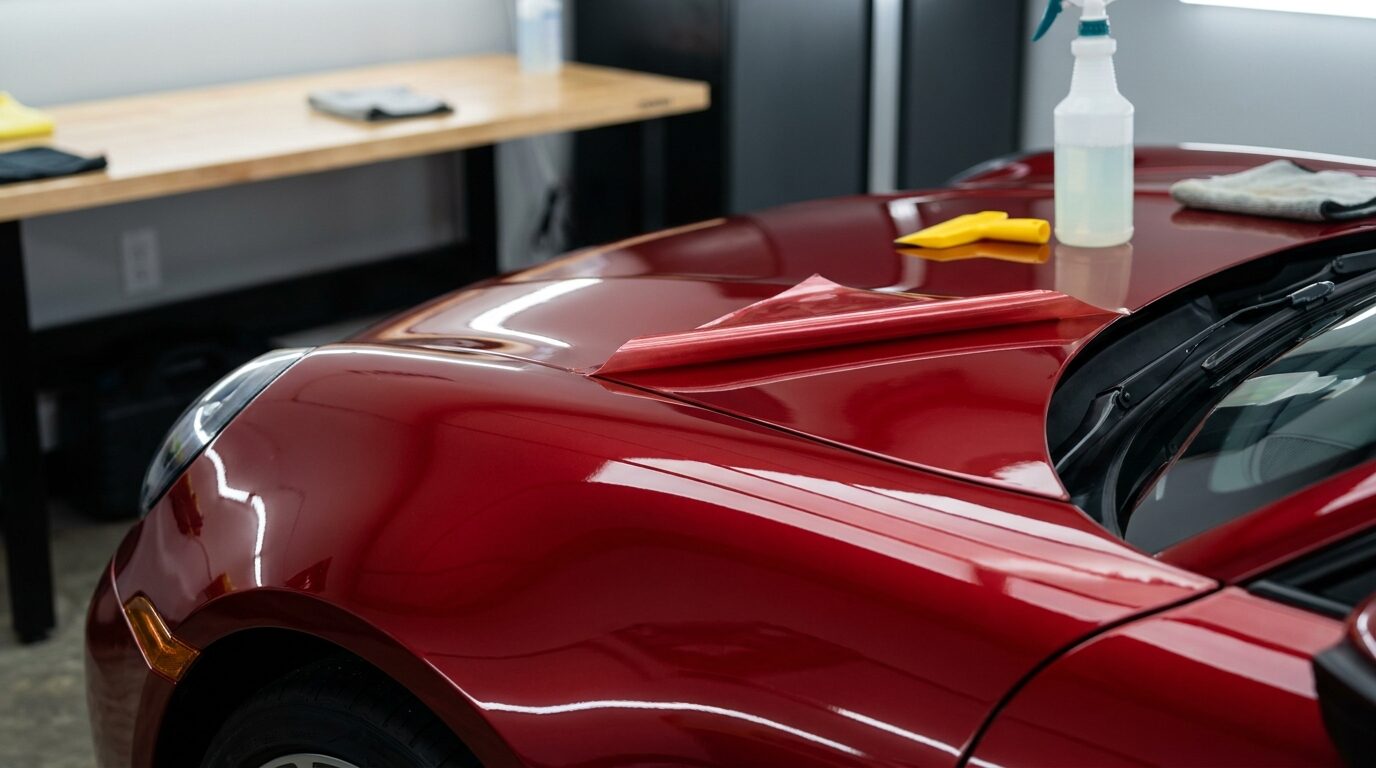
Installing color paint protection film is a vastly different process than laying down standard vinyl wrap. Urethane film is much thicker, heavier, and less pliable than PVC, which makes stretching and contouring it around complex body lines a true technical challenge. Installers must possess advanced knife-less tape skills, precise squeegee techniques, and a deep understanding of how the film reacts to tension. A botched installation on thick urethane is much more expensive to fix due to the high cost of the raw material.
Preparation work also demands careful attention to detail before any film touches the paint surface. We thoroughly clean every vehicle, remove necessary trim pieces, and decontaminate the paint to ensure permanent adhesion. If you drive through Willamette Valley rain and road grime regularly, any trapped dirt or moisture will compromise the final result. The extra hours of labor required to lay color PPF cleanly directly contribute to the higher overall cost compared to a standard vinyl wrap.
Hiding original paint colors beneath a color-shifting or solid-pigmented PPF requires complete edge wrapping and tucking. Because the material is thicker, edges must be carefully wrapped around panel gaps to prevent lifting over time. This careful hand labor requires skilled professionals who spend years mastering the craft. When you invest in professional installation at Custom Details, you are paying for the precision, time, and expertise required to make the film look like factory paint.
Lifespan, Durability, and Long-Term Value
While vinyl wrap typically lasts between two to five years before it begins to degrade, dry out, or crack from UV exposure, high-end color PPF offers vastly superior longevity. Global Films provides a 10-year warranty on their self-healing TPU paint protection films, meaning your investment is protected against peeling, yellowing, and cracking for a decade. This extended lifespan completely changes the economic calculation for vehicle owners who want to keep their cars looking new for many years.
Vinyl wrap is notorious for failing prematurely when exposed to intense summer sun or harsh winter conditions. Once vinyl begins to degrade, it often leaves behind a sticky adhesive residue that requires tedious removal. On the other hand, color PPF maintains its structural integrity, gloss, and protective qualities year after year. For drivers dealing with wet weather and seasonal road debris, the durability of urethane prevents costly paint repairs and preserves the resale value of the vehicle.
It is also worth noting that you can layer additional protection over your films for even greater longevity. Many of our clients choose to add a Feynlab ceramic coating over their PPF to make routine maintenance effortless. Whether you select the Feynlab 1 year entry coating, V3 at 3 years, Plus at 5 years, or Matte coating at roughly 3 years, adding a ceramic layer enhances gloss and repels dirt. Combining color PPF with a ceramic top coat creates the ultimate defense system for your car.
Practical Tips for Maintaining Your Film
To ensure your color paint protection film lasts for its full expected lifespan, proper maintenance is essential. Always hand wash your vehicle using a pH-neutral automotive shampoo and a clean microfiber wash mitt. Avoid automated car washes with abrasive brushes, as they can dull the finish and create micro-marring even on self-healing surfaces. If you spot stubborn bug splatters or bird droppings after a drive, wash them off promptly to prevent chemical etching on the top coat.
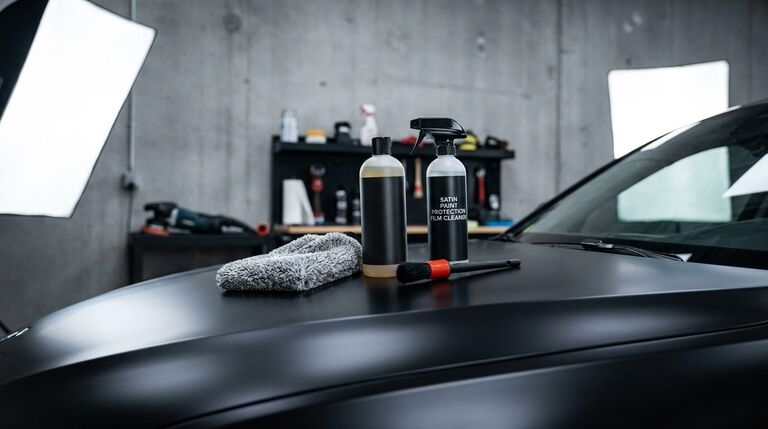
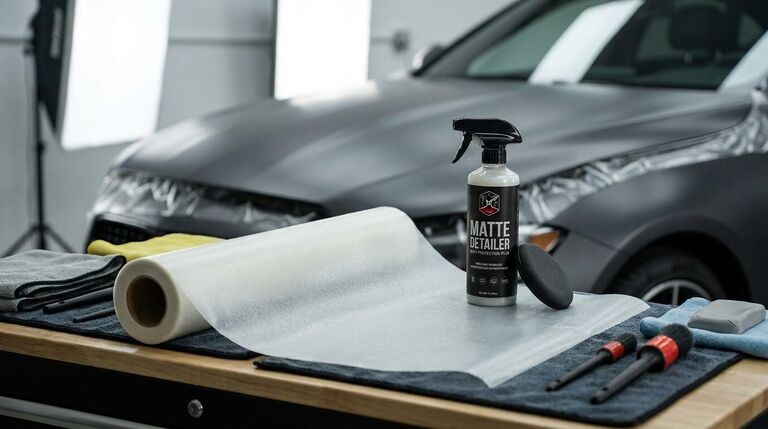
If you choose a matte or satin color PPF, be sure to use specialized matte-safe soaps that do not contain gloss enhancers or waxes. Waxing a matte film will fill in the microscopic texture that creates the satin look, turning your flat finish into an unwanted glossy spot. For additional protection against Portland weather, consult with our team about pairing your film with specialized detailing services like a regular Hand Wash at $89 or an Interior Detail at $259 to keep your entire vehicle in top condition.
What Color PPF Costs Compared to Vinyl
The price gap is easiest to see on a full vehicle. Across the industry, a full vehicle vinyl wrap typically runs $2,500 to $5,000 and a gloss full body PPF package typically runs $4,000 to $8,000 depending on the vehicle, and Custom Details quotes these per vehicle at the shop. Color and matte urethane films sit at the top of that PPF range or above it, because pigmented film costs more per roll and takes longer to lay than clear.
So a color film job can cost roughly twice what a vinyl wrap does on the same car. What the extra money buys is spelled out above: a 6 mil urethane layer that stops rock chips, a self healing top coat, a 10-year warranty instead of a two to five year lifespan, and a removal that leaves the paint as it was. Spread over the years the film stays on, the cost per year of color PPF is usually lower than vinyl, because a wrap that fails at year three has to be stripped, the adhesive cleaned off and the car wrapped again.
Two things move a color PPF quote up or down more than the color itself. The first is paint condition: chips and peeling clear coat have to be corrected before film goes on, and that is extra labor. The second is how many edges the design has. A full color change wraps every panel edge and door jamb so no original color shows; a two tone roof or hood costs far less because it stops at a natural body line. If you want the look on a budget, ask about the partial layouts before ruling color film out.
One more comparison worth making: matte (stealth) PPF packages at Custom Details start at $2,599 for a full front and $7,599 for full body, and matte urethane over gloss paint gives many drivers the styling change they wanted from a wrap with the protection a wrap cannot offer.
When a car arrives at Custom Details for color film, the first thing the installer checks is not the color swatch but the paint underneath: rock chips, peeling clear coat and old touch-up will telegraph through any film, and pigmented urethane hides less than people expect. We also measure panel gaps and the depth of the edges, because color film has to wrap every edge or the original color shows in the gaps. Expect that inspection to take longer than the quote conversation; it is where a clean result is decided.
Frequently Asked Questions
Can color PPF be removed just like a vinyl wrap?
Yes, color paint protection film can be safely removed by a professional without damaging your factory paint beneath.
Does color PPF protect against door dings?
The thick urethane material offers mild cushioning against light impacts, but it is primarily designed to stop rock chips, scratches, and road debris.
Why is color PPF more expensive than a standard clear bra?
Pigmenting the thick urethane film during manufacturing requires specialized chemical processes, making the raw material significantly more costly to produce.
Related service: Learn more about paint protection film in Portland, color PPF in Portland and car detailing in Portland at Custom Details, installed in-house at 3433 SW Multnomah Blvd, or request a quote and call (971) 400-1406.